
Timber vs Composite Decking: Which Is Better?
Choosing the right decking material is one of the biggest decisions you’ll make when planning a new outdoor area. Both timber and composite decking can create a practical and attractive space, but they offer different benefits in terms of appearance, maintenance, durability and cost.
As an experienced Perth carpenter and deck builder, Skyline Concepts has built decks across the city for a wide range of homes, lifestyles and outdoor spaces. We’ve worked with both timber and composite products, and the truth is that neither option is automatically better for every project. The right choice depends on your budget, design preferences, location and how much ongoing maintenance you’re prepared to complete.
Here’s what we think Perth homeowners should consider when comparing timber and composite decking.
What Is Timber Decking?
Timber decking is made using natural wood. It has been a popular choice for Australian homes for decades because of its warm appearance, natural texture and ability to complement almost any property.
Common timber decking options include treated pine and a range of Australian hardwoods. Each type of timber has its own colour, grain, strength, expected lifespan and maintenance requirements.
One of timber’s biggest advantages is its character. Every board has slightly different tones, markings and grain patterns, helping create a deck that feels natural and unique. Timber can also be stained, oiled or finished in different ways to achieve the look you want.
However, timber is a natural product. Exposure to sunlight, moisture and changing weather conditions can cause its appearance and condition to change over time. Regular care is important if you want it to continue looking its best.
What Is Composite Decking?
Composite decking is manufactured using a combination of materials, typically including wood fibres and recycled or synthetic plastics. It is designed to provide an alternative to traditional timber while reducing the amount of ongoing maintenance required.
Modern composite decking is available in a broad selection of colours, board profiles and woodgrain-style finishes. Higher-quality products can provide the appearance of timber without requiring regular sanding, staining or oiling.
Composite boards are generally designed to resist rot, splitting and insect damage. They are also manufactured to be more consistent in colour and shape than natural timber.
While composite decking is often promoted as a low-maintenance option, it isn’t completely maintenance-free. It still requires periodic cleaning, particularly in shaded areas or places exposed to dirt, leaves and moisture.
The Appearance of Timber vs Composite Decking
For many homeowners, appearance is the first consideration.
Natural timber has an authentic warmth and texture that can be difficult to replicate. Its grain, colour variations and gradual ageing give it a distinctive character. Timber can work particularly well with established gardens, traditional homes, coastal designs and outdoor areas where natural materials are already featured.
It also provides greater flexibility if you want to change the colour later. Depending on the timber and its condition, your deck may be sanded and refinished with a different stain or oil.
Composite decking offers a cleaner and more consistent appearance. The boards are manufactured to provide uniform colours and finishes, which can suit modern homes and contemporary outdoor entertaining areas. There are plenty of options available, ranging from dark charcoal and rich brown to lighter coastal tones.
Composite products have improved considerably, but homeowners who strongly prefer the feel and irregularities of natural wood may still favour timber. We recommend viewing full-size samples outdoors before deciding, as colours can appear different in direct sunlight than they do inside a showroom.
Which Option Requires Less Maintenance?
Composite decking generally requires less ongoing maintenance than timber.
Most composite decks can be maintained through routine sweeping and occasional washing. You won’t usually need to sand, oil or stain the boards to preserve their appearance. This makes composite an attractive option for homeowners who want to enjoy their deck without committing to regular refinishing.
Timber decking requires more care. Depending on the timber, finish, exposure and look you want to maintain, the deck may need cleaning and re-oiling periodically. Areas exposed to strong sunlight may fade faster, while shaded or damp areas can require extra attention to prevent mould and grime.
Some homeowners enjoy maintaining timber and appreciate how it develops character over time. Others would prefer a material that needs less attention. It’s worth being realistic about how much maintenance you’re willing to complete after the deck is built.
How Perth Conditions Affect Your Deck
Perth’s climate should play an important part in your decision. Our outdoor areas can be exposed to intense summer heat, strong UV levels, dry conditions, winter rain and significant temperature changes throughout the year.
Decks in fully exposed, north- or west-facing areas can receive hours of direct sunlight. Natural timber can gradually fade, dry out or develop surface checking if it isn’t maintained correctly. Regular oiling helps protect the timber and preserve its colour, although some homeowners choose to let it weather naturally.
Composite decking doesn’t require oiling, but darker boards can become hot in direct summer sun. This is worth considering around pools, where people may regularly walk barefoot, or in entertaining areas without shade. Lighter colours, suitable product selection and thoughtful placement can help manage heat.
Properties closer to the Perth coastline also face salt, wind and sand. The decking boards are only one part of the structure, so the subframe, fixings, ventilation and drainage must also be suitable for the location. A well-chosen decking product can still perform poorly if the underlying structure hasn’t been designed and installed correctly.
Shade, nearby trees, reticulation and airflow can also affect a deck. Leaves and moisture can collect between or beneath boards, while sprinklers may repeatedly wet particular sections. These site-specific details are why we assess the entire area instead of recommending one product for every Perth property.
Durability and Expected Lifespan
Both materials can provide a long-lasting deck when the right product is selected and installed correctly.
A quality hardwood deck can perform exceptionally well, but its lifespan depends heavily on ongoing maintenance and the conditions around it. The timber should be properly spaced, ventilated and protected from unnecessary moisture. Boards that are neglected or constantly exposed to damp conditions may deteriorate sooner.
Composite decking is designed to resist many of the problems associated with natural timber. It won’t rot in the same way, and it is generally resistant to termites, splitting and splintering. This can make it appealing for busy households and homeowners looking for predictable long-term performance.
However, not all composite decking is the same. Product quality, construction, protective capping and warranty coverage can vary significantly between manufacturers. Selecting a reputable product is more important than simply choosing the cheapest composite board available.
It’s also important to remember that composite boards can still be scratched, stained or damaged. Heavy furniture should be moved carefully, spills should be cleaned promptly and the manufacturer’s care instructions should be followed.
Upfront Cost vs Long-Term Value
Timber can offer a lower initial cost, particularly when using treated pine. Premium hardwoods may cost considerably more, depending on the species, board size and availability.
Composite decking usually has a higher upfront material cost. However, it may reduce future spending on oils, stains, sanding equipment and professional maintenance. For homeowners planning to stay in the property for many years, these lower maintenance requirements can make the initial investment easier to justify.
The total project price also includes much more than the visible decking boards. Site access, deck height, subframe materials, stairs, balustrades, demolition, design details and preparation work can all affect the final cost.
Rather than comparing board prices alone, consider the complete installed cost and what you may need to spend maintaining the deck over its lifetime.
Comfort and Safety
Timber feels natural underfoot and can be comfortable in outdoor areas. However, neglected boards may eventually become rough or develop splinters. Regular inspection and maintenance help keep the surface in good condition.
Composite decking is designed to provide a smooth and consistent finish without the splintering associated with ageing timber. This can be beneficial for households with children or for decks where people frequently walk barefoot.
Heat is another important consideration. Some composite boards, particularly darker colours, can become noticeably hot in direct sunlight. Timber can also heat up, but it may remain more comfortable depending on the species, finish and colour.
Slip resistance should be considered for both materials, especially around pools, outdoor showers and areas exposed to rain. Ask about the specific product’s slip rating rather than assuming one decking category will always be safer than the other.
Sustainability Considerations
Timber is a renewable material when it comes from responsibly managed sources. Homeowners choosing natural decking should look for products with credible sourcing or certification information.
Composite decking may contain recycled timber fibres and plastics, helping reuse materials that may otherwise become waste. Its long lifespan and limited need for chemical finishes may also appeal to environmentally conscious homeowners.
However, sustainability varies between products. Timber origin, manufacturing processes, recycled content, transport and end-of-life disposal should all be considered. If environmental performance is important to you, review the details of the individual product instead of relying only on broad claims about timber or composite materials.
When We Recommend Timber Decking
Timber may be the better choice when you:
- Prefer the genuine appearance and feel of natural wood
- Want the option to stain or refinish your deck
- Are comfortable completing regular maintenance
- Want a material that complements an established garden
- Are working with a tighter initial budget
- Appreciate natural variations and gradual weathering
A properly built and maintained timber deck can become a standout feature of the home. It suits clients who love natural materials and understand that some care will be required to preserve the finish.
When We Recommend Composite Decking
Composite may be the better option when you:
- Want to minimise ongoing maintenance
- Prefer a consistent colour and finish
- Don’t want to sand, stain or oil the boards
- Want strong resistance to rot, insects and splintering
- Are comfortable with a higher upfront material cost
- Prefer a modern, uniform appearance
Composite decking is particularly practical for busy households, rental properties and homeowners who want an outdoor area that is relatively easy to look after.
The Importance of Professional Installation
Whichever material you choose, the quality of installation has a major influence on how the finished deck looks and performs.
Correct joist spacing, board gaps, ventilation, drainage and fixing methods are essential. Composite products must be installed according to the manufacturer’s requirements, while natural timber needs allowances for movement and changing moisture levels.
The supporting structure also needs to be suitable for the deck’s size, location and intended use. Poor drainage or insufficient ventilation can create problems even when premium decking boards have been used.
Working with an experienced carpenter ensures the visible finish and underlying structure receive equal attention. It also allows details such as stairs, borders, seating, screens and transitions to be incorporated into the overall design.
So, Is Timber or Composite Decking Better?
Based on our experience building decks across Perth, there isn’t one answer that suits every home.
Timber is hard to beat if you value natural character, warmth and the ability to refinish the surface. It can create a beautiful outdoor area, but you need to be prepared for ongoing care.
Composite decking is usually the better fit if low maintenance, consistency and resistance to common forms of deterioration are your priorities. The higher initial price can be worthwhile for homeowners who want to spend less time maintaining their outdoor area.
At Skyline Concepts, we consider your property, budget, preferred style and plans for the space before recommending a material. By selecting the right boards and combining them with a professionally built structure, you can create a deck that looks great, suits Perth conditions and adds genuine functionality to your home.
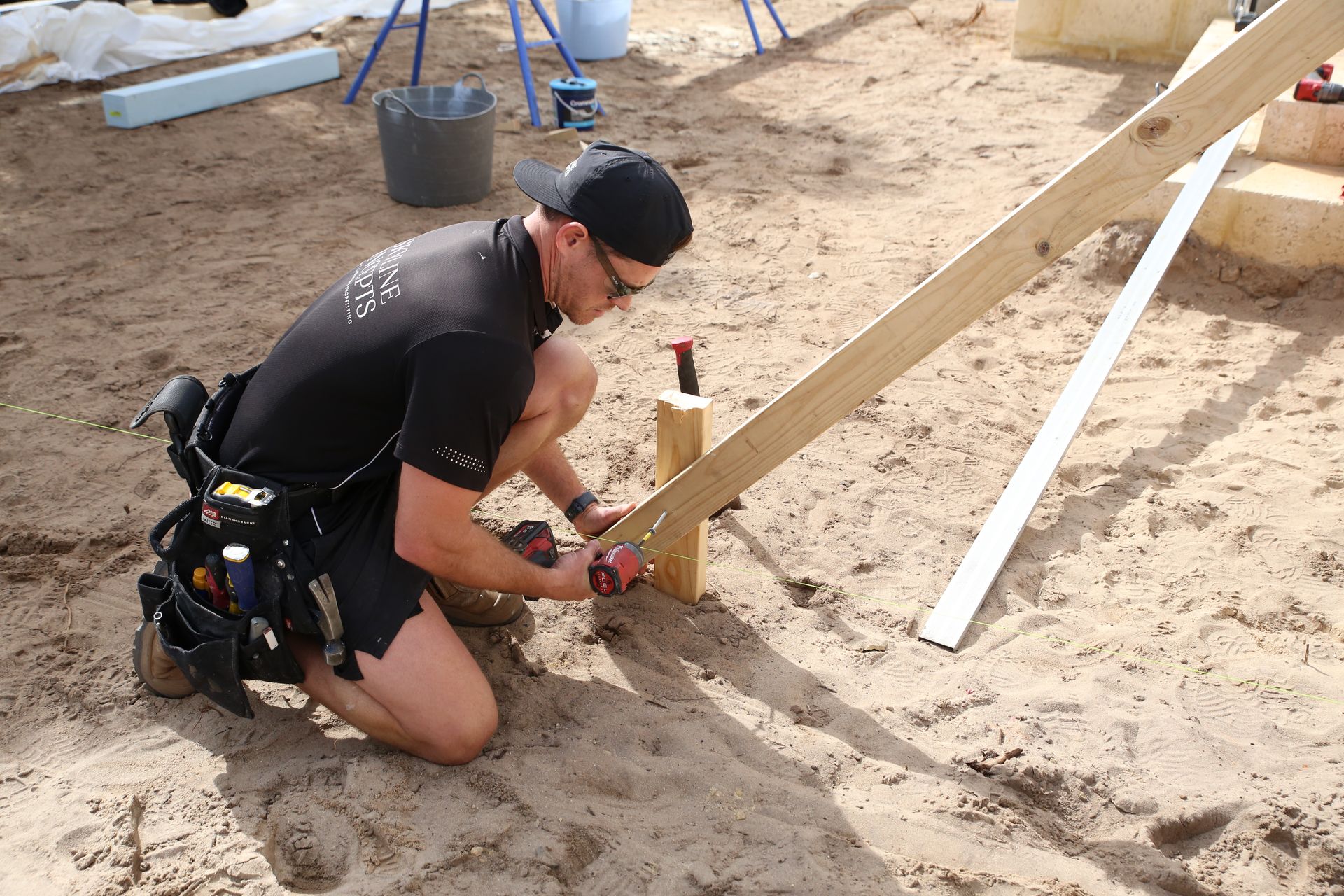
Written by Ben
Ben’s the director of Skyline Concepts and has built his business around client relationships, unbeatable workmanship and competitive pricing. With more than 15 years’ experience under his tool belt, Ben explains every detail to his clients to ensure they enjoy a stress-free renovation experience.