
Best Deck Materials: How to Choose the Right Decking for Your Home
A well-built deck can completely change how you use your home. It can create an outdoor dining area, provide a comfortable place to entertain and improve the connection between your internal living spaces and backyard.
However, the material you choose will affect far more than the appearance of your deck. It will influence the initial cost, ongoing maintenance, surface temperature, lifespan and how the deck handles exposure to sun, rain and moisture.
There is no single material that is best for every project. Natural timber remains popular for its warmth and character, while composite and PVC products appeal to homeowners looking for lower maintenance. Aluminium decking is another option for projects where durability, fire resistance or exposure to moisture is a major concern.
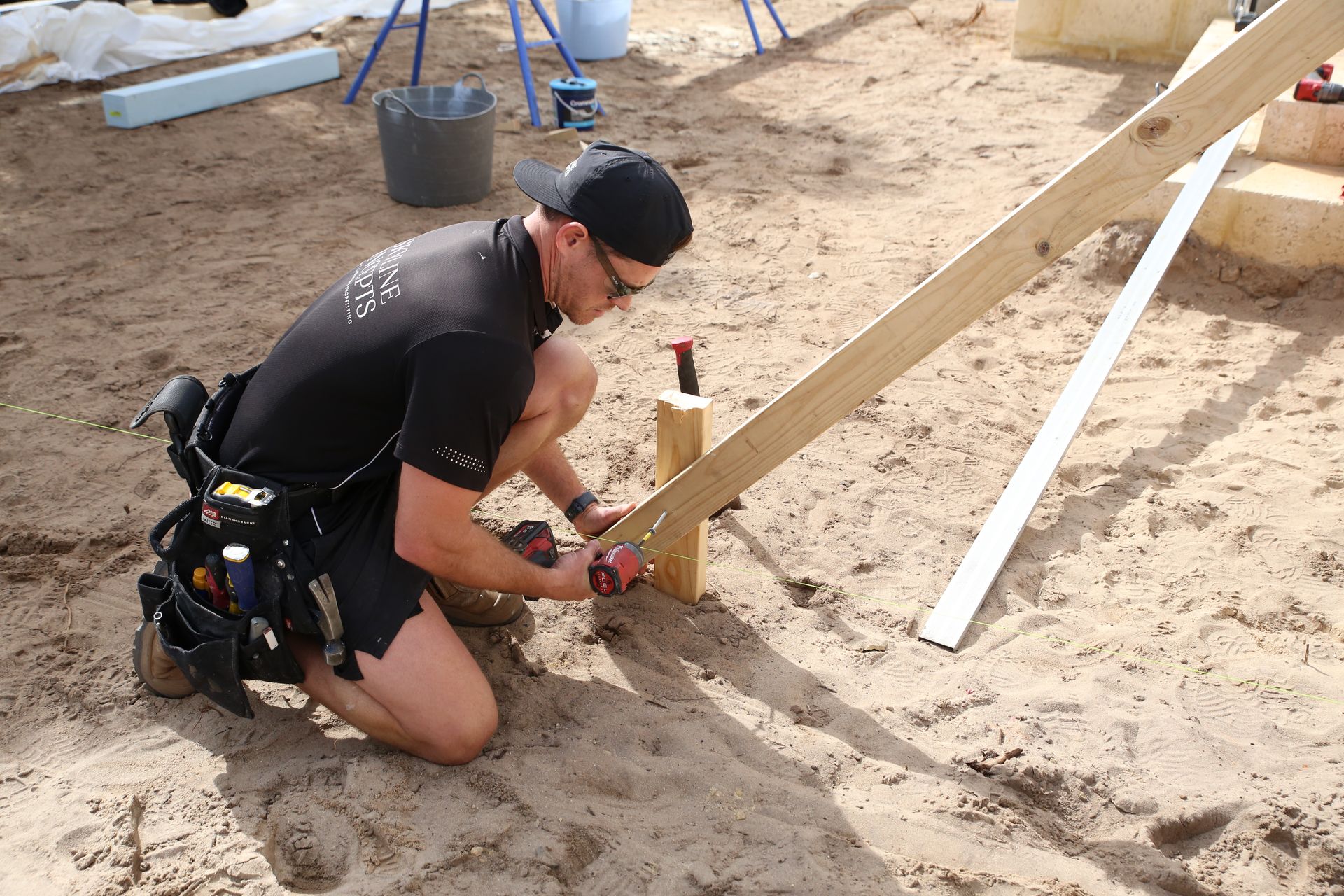
At Skyline Concepts, our carpenters build and renovate decks across Perth using materials suited to the property, intended use and surrounding environment. Below, we compare the best decking materials currently available, including their advantages, disadvantages and suitability for Perth conditions.
What Should You Consider When Choosing Decking?
Before comparing individual materials, think about how the deck will be used and where it will be positioned.
A covered deck that receives limited sunlight has very different requirements from an exposed pool deck. Similarly, a deck near the coast may need to withstand salt-laden air, while a property in the Perth Hills may have bushfire construction requirements.
Important considerations include:
- Your overall budget
- The size and height of the deck
- Exposure to direct sunlight
- Proximity to a pool or spa
- The amount of maintenance you are comfortable with
- Your preferred colour and appearance
- Slip resistance
- Bushfire requirements
- The condition and material of the subframe
- How long you expect the deck to last
The cheapest material at the beginning is not necessarily the least expensive over the life of the deck. Maintenance products, labour, repairs and eventual replacement should also be considered.
Treated Pine Decking
Treated pine is one of the most affordable and widely available decking materials in Australia. The timber is treated with preservatives to improve its resistance to decay, insects and fungal damage.
Its light natural colour can be stained in a wide variety of shades, making it possible to achieve the appearance of a darker timber without paying the higher price of premium hardwood.
Advantages of Treated Pine
- Generally more affordable than hardwood or composite decking
- Readily available
- Lightweight and relatively easy to work with
- Can be painted or stained in numerous colours
- Suitable for decks with unusual shapes or detailed cuts
- Individual damaged boards can usually be replaced
Disadvantages of Treated Pine
- Softer and more easily scratched or dented than hardwood
- Requires regular cleaning and recoating
- Can split, cup or warp if it is poorly installed or neglected
- Does not generally have the same premium appearance as hardwood
- Its lifespan depends heavily on treatment level, installation and maintenance
Treated pine can be an excellent choice for a cost-conscious project, particularly when the deck is covered or reasonably protected. Correct board spacing, sealing and subframe construction are important for getting the best result.
Jarrah Decking
Jarrah is one of Western Australia’s best-known hardwoods. Its rich red and brown tones work particularly well with both traditional homes and modern outdoor areas.
It is naturally durable and has long been used for decking, flooring and structural applications. Jarrah is classified as a durable Class 2 timber for above-ground use.
Advantages of Jarrah
- Distinctive Western Australian character
- Rich, natural colouring
- Strong and durable
- Can be sanded and refinished
- Develops character as it ages
- Well suited to high-quality residential projects
Disadvantages of Jarrah
- More expensive than treated pine
- Requires periodic oiling or sealing to retain its colour
- Can weather to grey if left uncoated
- Availability and board quality can vary
- Dark boards can become hot in direct summer sun
- Dense hardwood requires appropriate tools and fixings
Jarrah is a particularly appealing choice when the deck needs to complement an existing Perth home containing Jarrah floors, trims or other timber features. If you want to retain its deep colour, expect to clean and recoat it periodically.
Spotted Gum Decking
Spotted gum is a premium Australian hardwood known for its strength, natural durability and varied grain. Colours can range from pale brown through to deep chocolate, often with attractive flowing markings.
It is classified among Australia’s very durable Class 1 timber species and is suitable for demanding exterior applications.
Advantages of Spotted Gum
- Highly durable
- Strong and resistant to wear
- Attractive variation in colour and grain
- Suitable for contemporary and traditional homes
- Can be refinished
- Certain products may be suitable for some bushfire-rated applications
Disadvantages of Spotted Gum
- Higher initial cost
- Colour variation may not suit homeowners wanting a uniform finish
- Requires maintenance to preserve its original appearance
- Dense boards can be slower to cut and install
- Darker boards can become hot in full sun
Spotted gum is an excellent option for homeowners who want the authentic appearance of timber but also want a strong, long-lasting material. Its natural variation is part of its appeal, although it is worth viewing several boards rather than choosing from a single small sample.
Merbau Decking
Merbau, also known as kwila, is a dense tropical hardwood frequently used for Australian decks. It typically has warm brown, orange and reddish tones and is naturally durable.
Advantages of Merbau
- Strong and naturally durable
- Familiar, attractive hardwood appearance
- Usually more affordable than some premium Australian hardwoods
- Widely available in standard decking sizes
- Can be sanded and refinished
- Handles regular foot traffic well
Disadvantages of Merbau
- Can release dark tannins when it becomes wet, particularly when new
- Tannin run-off may stain surrounding paving or walls
- Requires maintenance to retain its colour
- Responsible sourcing should be checked carefully
- Can become hot in direct sunlight
- Colour can vary between boards
Merbau is a practical all-round hardwood, but it needs to be prepared correctly. Allowing tannins to leach out before or during the finishing process can help prevent staining around the completed deck. Choosing certified, responsibly sourced timber is also important.
Blackbutt and Ironbark Decking
Blackbutt and ironbark are additional Australian hardwood options. Both are valued for exterior construction, although their appearance and working characteristics differ.
Blackbutt tends to be lighter, ranging from golden cream to pale brown. Ironbark is generally darker, denser and extremely hard-wearing.
Advantages
- Strong Australian hardwood options
- Naturally durable
- Suitable for high-traffic areas
- Can be sanded and restored
- Attractive natural colours
- May suit projects requiring particular fire-performance characteristics, subject to the complete design
Disadvantages
- Premium material cost
- Heavy and demanding to install, particularly ironbark
- Regular coating is needed if you want to maintain the original colour
- Availability can vary by location and profile
- Natural colour variation is unavoidable
These timbers can produce an outstanding deck, but they are usually selected for their specific appearance or performance rather than as the most economical option.
Composite Decking
Composite decking is manufactured from a mixture of wood fibres, plastics and bonding agents. It is designed to provide a timber-style appearance without the regular oiling associated with natural timber.
There are two main types: traditional uncapped composite and capped composite. Capped boards include an outer protective layer that improves resistance to moisture, staining and fading.
Modern composite ranges are available in numerous colours, textures and board widths. Some products use concealed fixing systems, helping to create a clean surface without visible screw heads.
Advantages of Composite Decking
- Does not require sanding, painting or regular oiling
- Resistant to rot and termite damage
- Will not splinter like neglected timber
- Consistent colour and appearance
- Available with concealed fixings
- Made in a broad range of colours and grain patterns
- Some products contain significant quantities of recycled material
- Capped products offer improved stain and moisture resistance
Disadvantages of Composite Decking
- Higher upfront cost than treated pine
- Can become hotter than natural timber, especially in dark colours
- Scratched or damaged boards cannot usually be sanded and refinished
- Some products expand and contract noticeably with temperature changes
- Quality varies considerably between manufacturers
- Certain uncapped products can be more susceptible to staining
- The appearance may not perfectly replicate natural timber
Manufacturers advise that composite boards can become hotter than timber and that darker colours absorb more heat. Correct expansion gaps and installation methods are also essential because composite boards move as temperatures change.
For most homeowners, capped composite is the better long-term choice. It generally costs more than basic composite, but the protective shell provides additional resistance to fading, moisture and everyday spills.
PVC Decking
PVC decking is made primarily from polyvinyl chloride rather than a mixture of timber fibre and plastic. It is not as common as timber or wood-plastic composite in Australian residential projects, but it can be useful in wet or highly exposed areas.
Advantages of PVC Decking
- Highly resistant to moisture
- Does not rot, split or attract termites
- Lightweight
- Requires little ongoing maintenance
- Suitable for areas exposed to regular splashing
- Available in timber-look finishes
Disadvantages of PVC Decking
- Can be one of the more expensive options
- May have a less natural appearance
- Can become hot in direct sunlight
- Expands and contracts with temperature changes
- May feel lighter or less solid underfoot
- Product availability and colour options can be more limited
PVC decking can suit pool surrounds, coastal properties and other locations where water resistance is particularly important. Product quality and installation requirements should be reviewed carefully before it is selected.
Aluminium Decking
Aluminium decking uses interlocking or fixed metal boards to create an exceptionally durable deck surface. It is more common in commercial, elevated or specialised residential projects than in standard backyard decks.
Advantages of Aluminium Decking
- Does not rot, warp or attract termites
- Non-combustible material
- Highly resistant to moisture
- Long service life
- Low maintenance
- Useful for coastal, bushfire-conscious and elevated applications
- Some systems help manage or direct water below the deck
Disadvantages of Aluminium Decking
- High initial cost
- Does not offer the natural warmth of timber
- Limited styles compared with timber and composite
- Can sound different underfoot
- May become hot in exposed locations
- Requires a carefully designed supporting structure and compatible fixings
Aluminium is not the first choice for every home, but it can be highly effective where durability, fire performance or moisture resistance takes priority over a traditional timber appearance.
Bamboo and Modified Timber Decking
Bamboo decking and thermally or chemically modified timber products are also available, although they are less common than hardwood, treated pine and composite.
Bamboo boards are generally engineered from compressed bamboo fibres. Modified timber is treated using controlled heat or other processes to improve stability and resistance to decay.
These products can provide an attractive alternative, but performance varies between brands. Before choosing one, check the warranty, maintenance requirements, fixing system, Australian testing and local availability. It is also worth considering how easily replacement boards could be sourced several years from now.
What Are the Best Deck Materials for Perth?
Perth’s climate places several demands on outdoor materials. Decks can experience prolonged UV exposure, very hot summer conditions and extended dry periods, followed by cool, wet winters. Coastal suburbs also face salt-laden air, while properties near bushland may be subject to a Bushfire Attack Level assessment.
Material selection should therefore be based on the exact location of the deck.
For exposed areas receiving strong afternoon sun, lighter-coloured boards are generally more comfortable than dark finishes. Natural timber often remains cooler underfoot than darker composite products, although it will require more maintenance to protect its appearance.
Capped composite is a practical Perth option for homeowners who prioritise low maintenance. It resists fading and moisture better than many basic products, but it must be installed with the correct gaps to accommodate heat-related movement.
Jarrah is an excellent choice for homeowners who want a distinctly Western Australian hardwood. Spotted gum also performs well where strength and natural durability are priorities. Treated pine can work for more affordable or covered decks, provided it is properly finished and maintained.
Near the coast, board selection is only part of the decision. Fixings, brackets and the supporting structure must also be suitable for corrosive conditions. Using premium decking over an unsuitable subframe or with incorrect fasteners can shorten the life of the entire deck.
For properties in designated bushfire-prone areas, do not assume that every hardwood, composite or metal product is automatically suitable. Construction requirements depend on the property’s assessed Bushfire Attack Level and the complete deck design.
Is Timber or Composite Decking Better?
Timber is usually the better option if you prioritise natural character, repairability and the ability to refinish the surface. Each board has unique grain and colour, and a well-maintained hardwood deck can remain an attractive feature for many years.
Composite is often better if your main priority is reducing maintenance. It still needs cleaning, but it does not require the regular oiling or staining associated with timber.
The trade-off is that composite generally costs more initially, can become hotter and cannot be sanded back in the same way as solid timber. Choosing between them comes down to whether you value natural appearance and repairability or convenience and colour consistency.
The Subframe Is Just as Important as the Decking
Homeowners naturally focus on the visible boards, but the structure underneath determines how the deck performs.
Bearers and joists must be appropriately sized, spaced and protected. Drainage and ventilation need to be considered, particularly around pools, garden beds and low decks. Different decking products also have specific requirements for joist spacing, board gaps, fixings and ventilation.
A premium board will not compensate for a poorly built subframe. Incorrect spacing can cause boards to flex, while poor ventilation or trapped moisture can contribute to premature deterioration.
When replacing an existing deck, we inspect the structure rather than automatically installing new boards over it. Reusing a sound subframe can reduce costs, but damaged, undersized or poorly constructed framing should be repaired before the new surface is installed.
Which Decking Material Should You Choose?
For an affordable deck, treated pine remains difficult to beat. For a premium natural finish, Jarrah, spotted gum, blackbutt, ironbark and merbau are all strong choices. Capped composite offers a good balance of appearance and low maintenance, while PVC and aluminium can suit projects with specialised moisture, durability or fire-performance requirements.
The right decision should account for more than a sample board. Consider how much sun the area receives, whether people will walk on it barefoot, how often you are willing to maintain it and how the colour will complement the rest of your home.
Skyline Concepts designs, constructs and renovates decks across Perth. With more than 15 years of carpentry, cabinetry and shopfitting experience, Ben and the team can help you compare materials, understand the practical trade-offs and create an outdoor area that suits the way you live.
Contact Skyline Concepts to discuss your new deck or deck renovation and receive advice based on your property, budget and preferred finish.
Written by Ben
Ben’s the director of Skyline Concepts and has built his business around client relationships, unbeatable workmanship and competitive pricing. With more than 15 years’ experience under his tool belt, Ben explains every detail to his clients to ensure they enjoy a stress-free renovation experience.